Maximize Your Bill Savings with These Agriculture Energy Efficiency Best Practices

Reducing energy usage in your agricultural facilities can lower utility bills and reduce operational costs. Even small changes to your habits can have a big impact on your bottom line. To help you save money and energy, the Agriculture Energy Savings Action Plan (AESAP) recommends the energy efficiency best practices below.
Conduct a Simple Business Energy Audit by Reviewing Your Bill
Auditing your facility’s energy usage should be the first step when looking to optimize energy performance in your agriculture facility. You can easily do this by reviewing your utility bills over the past year, identifying your average monthly costs and energy consumption patterns over time. This can help you spot seasonal trends, unexpected spikes in energy use, and periods when costs are highest, Understanding these patterns provides a baseline for measuring future savings and can help identify opportunities to reduce unnecessary energy consumption. Once you understand how and when your facility uses energy, you can explore strategies that reward you for shifting energy use away from peak demand periods.

Consider Demand Response Opportunities

For businesses willing to shift their operations to reduce energy bills, enrolling in a demand response (DR) program may be a good fit. PG&E offers multiple DR programs that customers can enroll in and get paid when they shift their electric use away from peak times when the electric grid is stressed from high usage. AESAP also offers a bonus of up to $5,000 for enrolling in a DR program and has incentives of up to $50,000 per customer available to aid customers in upgrading their equipment to become DR responsive. Learn more about all of the DR opportunities available here.
Perform Routine Maintenance and Adjust Operations
You can prolong the life of your agricultural equipment by regularly checking for necessary maintenance. This involves routinely inspecting, cleaning, adjusting, and servicing machinery to keep it running at optimal performance. Maintenance can look like replacing worn parts, lubricating moving components, cleaning filters, and checking for leaks or blockages. When equipment is well maintained, it requires less energy to perform the same tasks and maintains consistent output levels. Over time, this not only reduces energy consumption and utility costs but also extends the lifespan of your equipment.

AESAP can provide incentives for qualifying Behavioral, Retrocommissioning, and Operational (BRO) upgrade types. This involves identifying less-than-optimal performance in a facility’s equipment and control systems and making the necessary adjustments. While retrofitting involves replacing outdated equipment, BRO focuses on improving the efficiency of what’s already in place. The BRO category includes upgrades that improve energy efficiency and can be reasonably expected to produce multi-year savings. Examples include setpoints optimization, performing routine adjustments, calibration to restore equipment. If your facility has equipment that might not be operating at intended efficiency conditions, please reach out to AESAP to see if you may qualify for an incentive.
Upgrade to Energy-Efficient Equipment
If you’ve already incorporated all the best practices listed above, then the next step is to make sure your facility has the most efficient commercial agriculture equipment to reduce overall energy use. AESAP offers rebates and incentives to lower upfront cost of qualifying equipment to help you save money and have a shorter payback period when installing new equipment. In addition to replacing equipment, new equipment installations can be eligible for incentives when installing equipment that is more efficient than the standard practice option available. These added load measures can also qualify for incentives.

Electric Equipment Opportunities
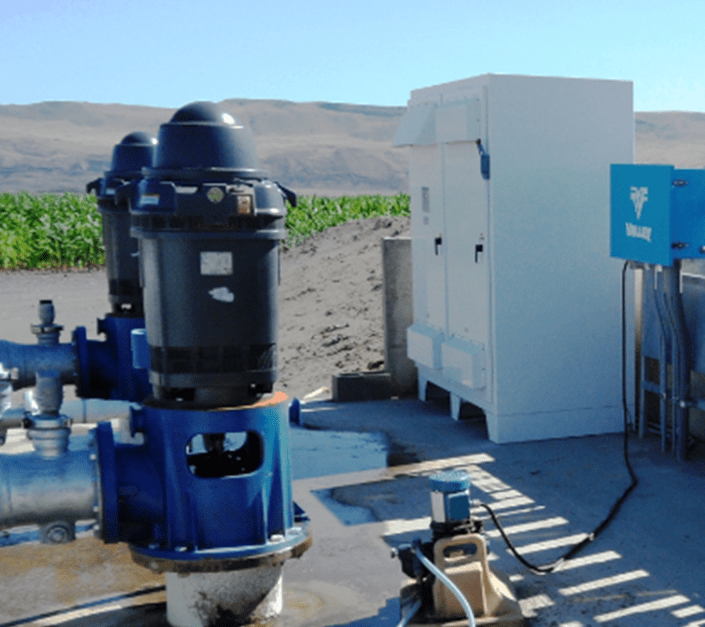
With rising electric rates in California, swapping to more efficient electric equipment can be a smart move to reduce your overall electric use. Variable frequency drives (VFDs) can be a simple place to start to optimize many types of electric equipment. VFDs can significantly reduce energy for agriculture operations with motor-driven equipment operating pumps and fans. Power consumption drops according to the cube (third power) of the motor’s speed reduction for centrifugal pumps and fans. VFDs also operate as advanced motor controllers that adjust the motor’s speed to operate only at the speed necessary for the task at hand, reducing energy consumption and wear on the equipment. They can be implemented on technologies such as dust collection fans for processing facilities, glycol, well and booster pumps for wineries or even ventilation fans for dairy farms.
AESAP also offers incentives for additional electric equipment opportunities that do not involve major equipment replacements such as refrigeration and compressor sequencing and controls. Installing floating head or variable head pressure controls can lower condensing temperatures in refrigeration systems, reducing compressor energy consumption and improving system efficiency. Adding controls to other equipment, such as lighting, dimming or curtailing operating hours, can be a cost-effective way to reduce electricity usage without replacing major equipment. These add-on solutions optimize the performance of existing equipment without requiring a full replacement, offering a lower-cost path to energy savings while maintaining operational flexibility.
Natural Gas Equipment Opportunities
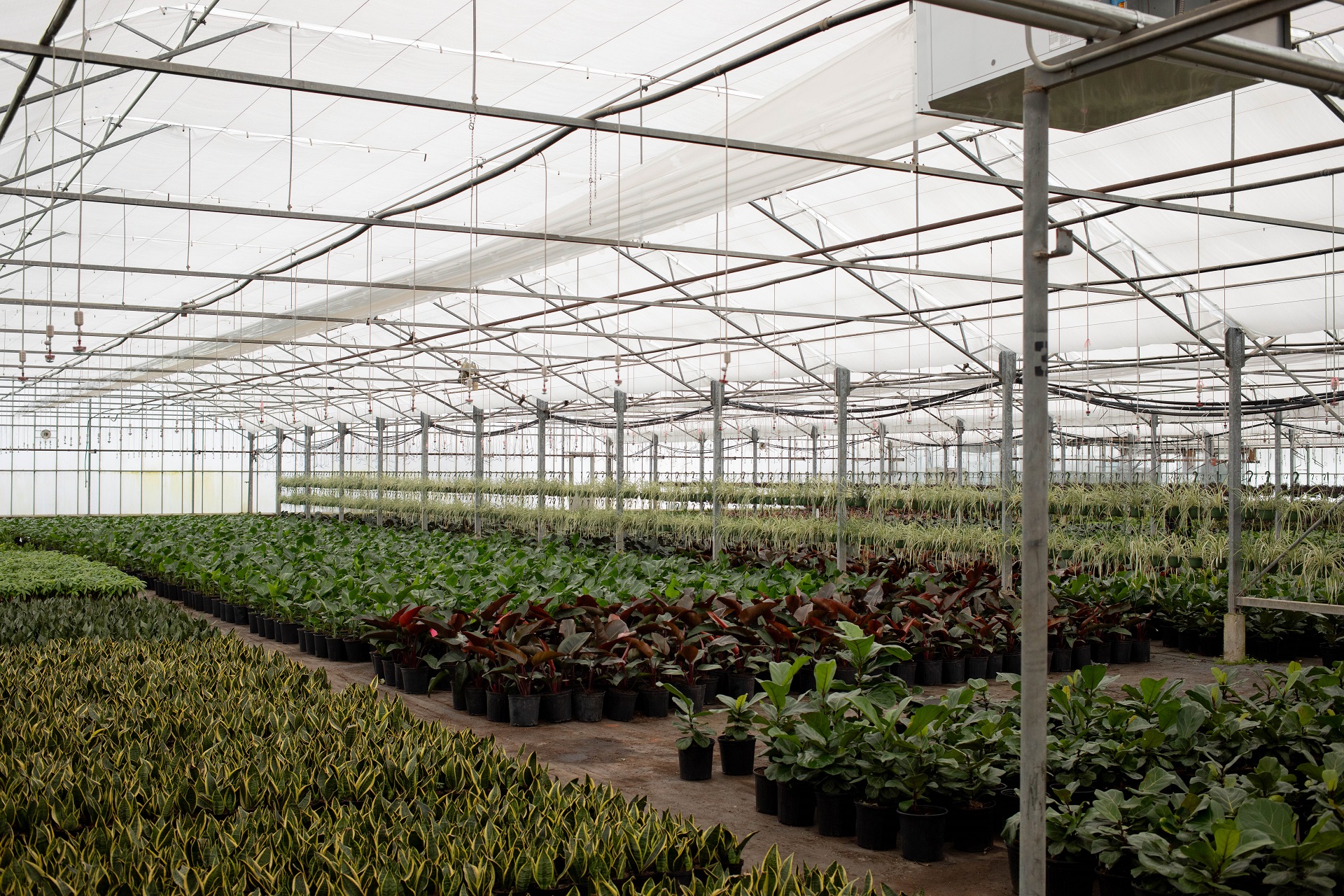
A large portion of your operation’s energy costs can come from natural gas-operated equipment. To maximize natural gas efficiency in agricultural and processing equipment, it can be good to focus on combustion optimization, waste heat recovery, and equipment maintenance. You may see immediate savings from tuning air-to-fuel ratios, insulating pipes and equipment, and capturing exhaust heat to preheat combustion air or boiler feedwater. Greenhouse heating systems and building envelope opportunities, such as greenhouse thermal curtains, IR film, boilers, and unit heaters, milk pre-cooling for dairy, and waste heat recovery for winery, brewery and distillery operations have incentive opportunities for replacement and upgrades. Where appropriate, heat pumps for both space and water heating can be utilized to entirely remove gas loads.

Look at different options when replacing equipment

When looking into efficient equipment upgrades, it’s important to get more than one quote and not automatically pursue the cheapest option. Be sure to also get quotes for the most efficient options because AESAP rebates may be able to lower the upfront cost. Incentive programs like AESAP are designed to offset the cost difference of more efficient equipment, encouraging you to make the best choice to reduce overall energy consumption of your agriculture or farm business.
Get in touch with AESAP to learn more
Not sure where to get started with efficient equipment upgrades? Our team can guide you through the process of upgrading equipment, from finding a contractor to applying for rebates. Connect with us today.

Posted September 30, 2026